When Is a Pacemaker Needed?
A pacemaker is a small electronic device used to help control an abnormal heart rhythm. It is primarily recommended when the heart beats too slowly or when the electrical signals that control the heartbeat are interrupted or blocked. For some people, a pacemaker can help restore a more regular heart rhythm, improve symptoms and support normal daily activities.
At DHEE Hospitals Cardiology, patients with suspected heart rhythm disorders can undergo a detailed cardiac evaluation to determine whether a pacemaker is appropriate. The decision depends on the type of rhythm abnormality, symptoms, underlying heart condition and results of diagnostic tests.
What Is a Pacemaker?
A pacemaker is a medical device that monitors the heart’s electrical activity and, when necessary, delivers small electrical impulses to help maintain an appropriate heart rate. A conventional pacemaker consists of a pulse generator and one or more leads that connect to the heart.
The device does not replace the heart or make it beat continuously. Instead, it provides electrical stimulation when the heart’s natural electrical system is unable to maintain an adequate rhythm.
When Is a Pacemaker Needed?
A pacemaker may be recommended when a person has a significant problem with the heart’s electrical system, particularly when the heart rate is too slow or electrical signals are unable to travel normally through the heart.
Common situations in which a pacemaker may be considered include:
- Symptomatic bradycardia: A persistently slow heart rate that causes symptoms or affects normal functioning.
- Heart block: A condition in which electrical signals from the upper chambers of the heart do not reach the lower chambers normally.
- Sick sinus syndrome: A disorder affecting the heart’s natural pacemaker, resulting in an abnormally slow or irregular heartbeat.
- Pauses in the heartbeat: Significant pauses between heartbeats may sometimes require pacemaker treatment, depending on the cause and symptoms.
- Certain conduction disorders: Some abnormalities in the heart’s electrical conduction system may require permanent pacing.
What Is Bradycardia?
Bradycardia refers to a slower-than-expected heart rate. A slow heart rate is not always a medical problem. For example, some healthy people, particularly well-trained athletes, may naturally have a lower resting heart rate without requiring treatment.
A pacemaker is generally considered when a slow heart rate is associated with symptoms or when there is a significant electrical conduction problem that creates a risk to the heart’s normal function.
What Is Heart Block?
Heart block occurs when electrical signals that coordinate the heartbeat are delayed or blocked as they travel through the heart’s conduction system. The severity of heart block can vary.
Some forms may only require monitoring, while more serious types of heart block can require a pacemaker to maintain an appropriate heart rate. Your cardiologist will determine the treatment based on the type and severity of the conduction abnormality.
What Symptoms May Indicate a Heart Rhythm Problem?
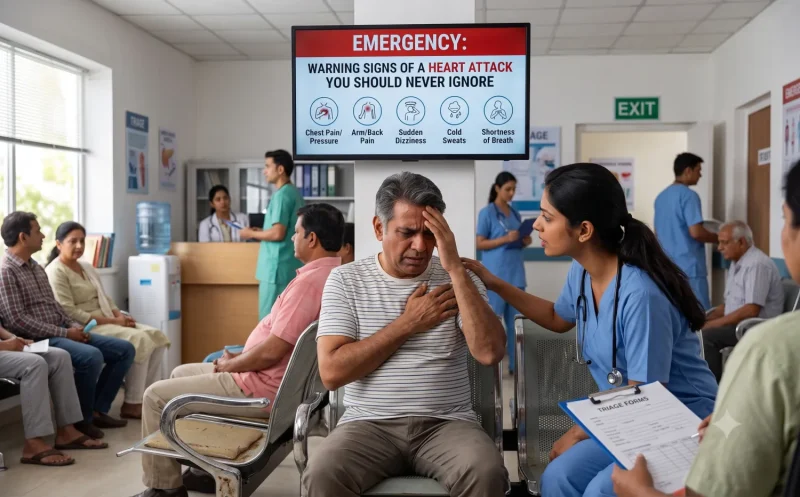
Some people with a slow heart rate or conduction disorder have no noticeable symptoms. Others may experience symptoms caused by the heart not pumping enough blood to meet the body’s needs.
- Dizziness or light-headedness
- Fainting or near-fainting
- Unusual tiredness or weakness
- Shortness of breath
- Reduced ability to exercise or perform daily activities
- Confusion or difficulty concentrating in some cases
- Awareness of an unusually slow or irregular heartbeat
These symptoms can also occur because of conditions unrelated to the heart. Therefore, experiencing one or more of these symptoms does not automatically mean that a pacemaker is required.
How Does a Cardiologist Decide If a Pacemaker Is Needed?
The decision to implant a pacemaker is based on a comprehensive cardiac assessment rather than on heart rate alone. Your cardiologist may review your symptoms, medical history, medications and existing heart conditions along with the results of cardiac tests.
The evaluation may include:
- Electrocardiogram (ECG): Records the electrical activity of the heart and can identify abnormalities in heart rhythm and conduction.
- Holter monitoring: Continuously records the heart rhythm over an extended period to identify intermittent abnormalities.
- Event or longer-term rhythm monitoring: May be used when symptoms occur infrequently.
- Echocardiogram: Evaluates the structure and pumping function of the heart.
- Blood tests: May help identify conditions such as electrolyte abnormalities or thyroid disorders that can affect heart rate.
Is a Slow Heart Rate Always a Reason for a Pacemaker?
No. A slow heart rate does not automatically mean that a pacemaker is required. Heart rate can vary depending on age, physical fitness, sleep, medications and other health conditions.
In some situations, a slow heart rate may be caused by a reversible problem or medication. Treating the underlying cause may improve the heart rate without requiring permanent pacing. A cardiologist will assess the cause before recommending a pacemaker.
Can Medications Cause a Slow Heart Rate?
Yes. Certain medications used to treat heart conditions and other medical problems can slow the heart rate or affect electrical conduction. If medication is contributing to the problem, a doctor may review the dose or consider an alternative treatment when appropriate.
However, patients should not stop or change prescribed heart medication without medical advice. A cardiologist can determine whether medication is contributing to the abnormal rhythm and what should be done.
What Happens During Pacemaker Implantation?
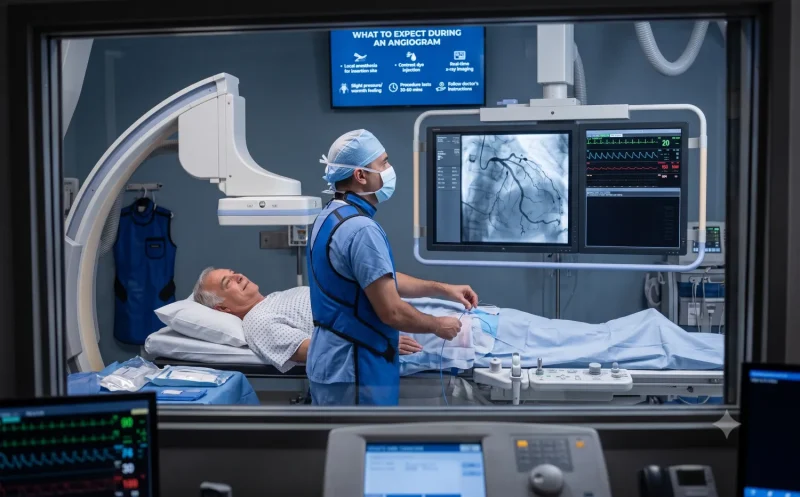
Pacemaker implantation is a procedure performed to place the device under the skin, usually in the upper chest. One or more leads may be guided through a blood vessel into the appropriate chambers of the heart, depending on the type of pacemaker required.
The leads are connected to the pacemaker generator, which monitors the heart’s electrical activity and provides stimulation when needed. The procedure and recovery time can vary depending on the patient’s condition and the type of device being implanted.
What Are the Benefits of a Pacemaker?
For appropriately selected patients, a pacemaker can help maintain a suitable heart rate and prevent symptoms associated with significant bradycardia or certain conduction disorders.
Potential benefits may include:
- Maintaining a more appropriate heart rate
- Reducing symptoms related to a slow heartbeat
- Improving exercise tolerance in appropriate patients
- Reducing episodes of fainting caused by certain rhythm abnormalities
- Supporting normal cardiac rhythm when the heart’s natural electrical system is impaired
How Long Does a Pacemaker Last?
The lifespan of a pacemaker depends on factors such as the type of device, how frequently it needs to provide electrical stimulation and the individual patient’s circumstances. Regular follow-up allows the pacemaker’s function and battery status to be monitored.
When the battery becomes depleted, the pacemaker generator can generally be replaced through a planned procedure. Your cardiologist will advise you about the appropriate follow-up schedule.
What Is Pacemaker Follow-Up?
Regular follow-up is an important part of pacemaker care. During follow-up visits, the healthcare team can check the device’s function, battery status and stored information. The settings can also be adjusted when necessary based on the patient’s condition.
Patients should follow their cardiologist’s recommendations regarding appointments, medications, activity and device monitoring.
When Should You See a Cardiologist?
If you experience unexplained fainting, recurring dizziness, unusual fatigue, shortness of breath or symptoms associated with an unusually slow heartbeat, a cardiac evaluation may be appropriate.
Early assessment can help identify whether symptoms are related to a heart rhythm disorder or another underlying condition. A cardiologist can recommend appropriate diagnostic tests and treatment based on the findings.
Pacemaker Treatment at DHEE Hospitals Cardiology
DHEE Hospitals Cardiology provides evaluation and management of heart rhythm and cardiac conditions. If you have been diagnosed with a slow heart rate, heart block or another electrical conduction problem, our cardiology team can assess your condition and determine whether pacemaker therapy may be appropriate.
A pacemaker is not required for every person with a slow heartbeat. The need for implantation should be determined through an individual cardiac assessment based on symptoms, ECG findings, rhythm monitoring and the underlying cause.
Frequently Asked Questions About Pacemakers
Does everyone with a slow heartbeat need a pacemaker?
No. Some people naturally have a slow heart rate without any health problem. A pacemaker is generally considered when there is a clinically significant rhythm or conduction disorder, particularly when it causes symptoms or affects the heart’s normal function.
Can a pacemaker cure heart disease?
A pacemaker does not cure every underlying heart condition. Its primary purpose is to support the heart’s electrical rhythm when the natural conduction system is not functioning adequately.
Is pacemaker implantation a major procedure?
Pacemaker implantation is a specialised cardiac procedure. The exact procedure, duration and recovery can vary depending on the type of pacemaker and the patient’s overall health. Your cardiologist will explain the procedure and expected recovery before treatment.
Can a person live normally with a pacemaker?
Many people with pacemakers are able to return to their usual daily activities after recovery. Activity recommendations and follow-up requirements depend on the individual’s health and the type of pacemaker implanted.
What should I do if I have symptoms of a slow heartbeat?
If you experience unexplained fainting, severe dizziness, persistent weakness, breathing difficulty or other concerning symptoms, seek medical evaluation promptly. A cardiologist can determine whether a heart rhythm problem is responsible and whether treatment is necessary.