Keeping Blood Pressure and Cholesterol in Check for a Healthy Heart
Blood pressure and cholesterol are two important factors that influence cardiovascular health. When blood pressure remains consistently high or cholesterol levels become unhealthy, the risk of conditions such as coronary artery disease, heart attack and stroke can increase over time.
The good news is that both blood pressure and cholesterol can often be managed through a combination of healthy lifestyle habits, regular health checks and medication when recommended. At DHEE Hospitals Cardiology, understanding and managing these risk factors is an important part of comprehensive heart care.
Why Are Blood Pressure and Cholesterol Important for Heart Health?
Your heart continuously pumps blood through a network of arteries. Persistently high blood pressure places increased stress on the artery walls and the heart. Unhealthy cholesterol levels can contribute to the formation of fatty deposits inside arteries.
Over time, these changes can narrow or damage blood vessels and contribute to cardiovascular disease. Managing both risk factors can therefore form an important part of maintaining long-term heart health.
What Is High Blood Pressure?
Blood pressure is the force exerted by circulating blood against the walls of your arteries. It is measured using two numbers: systolic blood pressure and diastolic blood pressure.
High blood pressure, or hypertension, often does not cause noticeable symptoms. A person can have elevated blood pressure for years without feeling unwell, which is why regular blood pressure checks are important.
Why Should High Blood Pressure Be Controlled?
Persistently high blood pressure can place additional strain on the heart and blood vessels. If left unmanaged, it can contribute to several cardiovascular complications, including:
- Coronary artery disease
- Heart attack
- Heart failure
- Stroke
- Kidney disease
- Damage to blood vessels
Controlling blood pressure can help reduce the strain on the cardiovascular system and lower the risk of complications.
How Can You Keep Your Blood Pressure Under Control?
Managing blood pressure usually involves a combination of lifestyle measures and, when necessary, prescribed medication.
1. Check Your Blood Pressure Regularly
Regular monitoring can help identify elevated blood pressure early. Your doctor can advise how frequently you should check it based on your age, health history and cardiovascular risk factors.
2. Reduce Excess Salt
Excessive sodium intake can contribute to increased blood pressure in some people. Limiting added salt and reducing highly processed and packaged foods can help support healthier blood pressure levels.
3. Maintain a Healthy Weight
If you are overweight, even a modest reduction in body weight may help improve blood pressure and other cardiovascular risk factors. A sustainable eating pattern and regular physical activity are important components of weight management.
4. Stay Physically Active
Regular physical activity can support healthy blood pressure, weight and overall cardiovascular fitness. Choose activities that are appropriate for your age and health condition and increase activity gradually when necessary.
5. Avoid Tobacco
Smoking and tobacco use can damage blood vessels and increase cardiovascular risk. Stopping tobacco use is an important step towards protecting heart health.
6. Take Prescribed Medication Correctly
Some people need medication to control high blood pressure. If your doctor has prescribed blood pressure medication, take it as directed and do not stop treatment without discussing it with your healthcare professional.
What Is Cholesterol?
Cholesterol is a waxy substance that the body needs for several important functions. However, having unhealthy levels of cholesterol in the blood can contribute to the development of plaque in the arteries.
A lipid profile or cholesterol test can measure different types of cholesterol and other blood fats. Your doctor considers these results along with your overall cardiovascular risk rather than looking at a single number in isolation.
What Are LDL and HDL Cholesterol?
LDL Cholesterol
Low-density lipoprotein (LDL) cholesterol is often referred to as “bad” cholesterol because higher levels can contribute to plaque formation in the arteries.
HDL Cholesterol
High-density lipoprotein (HDL) cholesterol is often called “good” cholesterol because it plays a role in transporting cholesterol away from the arteries and back to the liver.
However, cholesterol management is more complex than simply increasing HDL or reducing one particular number. Your cardiologist can interpret your complete lipid profile in the context of your individual cardiovascular risk.
How Can You Keep Cholesterol Under Control?
1. Choose Heart-Healthy Foods
A balanced diet can help support healthy cholesterol levels. Focus on a variety of vegetables, fruits, whole grains, legumes, nuts and other nutrient-rich foods while limiting foods high in saturated and trans fats.
2. Limit Saturated and Trans Fats
Foods high in saturated fats can contribute to higher LDL cholesterol. Reducing intake of foods containing significant amounts of saturated and trans fats can be part of a heart-healthy eating pattern.
3. Include More Dietary Fibre
Foods containing soluble fibre, including oats, beans, lentils, fruits and some vegetables, can be incorporated into a balanced diet and may help support healthy cholesterol levels.
4. Maintain a Healthy Weight
Maintaining a healthy body weight can support healthier cholesterol levels and reduce other cardiovascular risk factors.
5. Stay Physically Active
Regular physical activity can contribute to a healthier overall lipid profile while also supporting blood pressure, weight management and cardiovascular fitness.
6. Take Cholesterol-Lowering Medication When Prescribed
Some people require medication to reduce their cardiovascular risk. Statins and other cholesterol-lowering medicines may be prescribed depending on an individual’s cholesterol levels, medical history and overall cardiovascular risk.
Do not start, stop or change cholesterol medication without discussing it with your doctor.
How Often Should Blood Pressure and Cholesterol Be Checked?
There is no single testing schedule that applies to everyone. The appropriate frequency depends on factors such as age, previous test results, family history, existing medical conditions and other cardiovascular risk factors.
People who have hypertension, diabetes, high cholesterol, heart disease or other significant risk factors may need more frequent monitoring as advised by their healthcare professional.
Can You Have High Blood Pressure Without Symptoms?
Yes. High blood pressure is often called a “silent” condition because many people do not experience noticeable symptoms even when their blood pressure is elevated.
This is why feeling well does not necessarily mean that your blood pressure is within a healthy range. Regular measurement is the only reliable way to know your blood pressure level.
Can High Cholesterol Cause Symptoms?
High cholesterol usually does not cause obvious symptoms. A person may have elevated cholesterol without knowing it until a blood test identifies the problem or a cardiovascular condition develops.
Regular health assessments can therefore help identify cholesterol abnormalities and other cardiovascular risk factors before they contribute to complications.
Blood Pressure and Cholesterol Often Need to Be Managed Together
High blood pressure and unhealthy cholesterol levels can occur together, particularly in people with other cardiovascular risk factors. Managing them together as part of an overall heart-health plan can help reduce cardiovascular risk.
Your doctor may consider your blood pressure, cholesterol, blood sugar, smoking status, family history, age and other factors when assessing your overall cardiovascular risk.
When Should You Consult a Cardiologist?
Consider discussing your cardiovascular health with a cardiologist if you have persistently elevated blood pressure, high cholesterol, diabetes, a strong family history of heart disease or other significant risk factors.
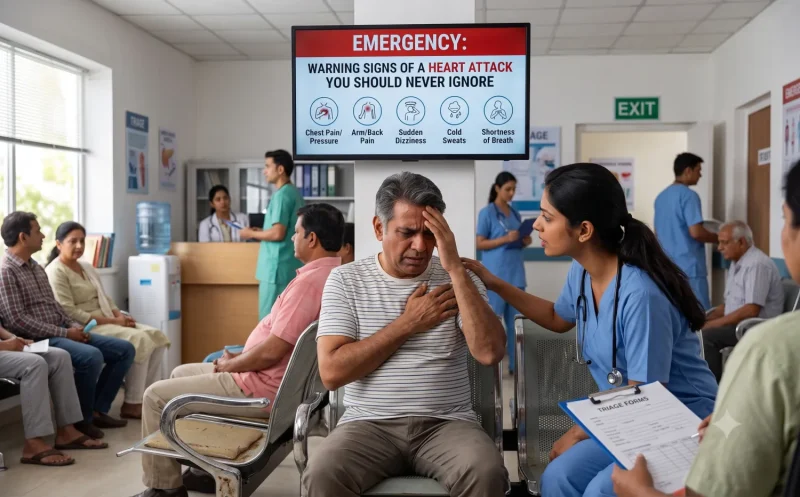
You should also seek medical evaluation if you develop symptoms such as chest discomfort, unexplained shortness of breath, fainting, unusual fatigue or reduced exercise tolerance.
Heart Health and Preventive Cardiology at DHEE Hospitals
DHEE Hospitals Cardiology focuses on the evaluation and management of cardiovascular conditions and risk factors. Regular assessment of blood pressure and cholesterol can help identify potential concerns and support timely management.
Keeping these two important risk factors under control is not about achieving one number at a single visit. It is about consistent monitoring, healthy lifestyle choices and following an individual treatment plan when medication or specialist care is required.
Frequently Asked Questions About Blood Pressure and Cholesterol
Can lifestyle changes lower blood pressure?
Healthy lifestyle changes such as reducing excess salt, maintaining a healthy weight, being physically active, avoiding tobacco and following a balanced diet can help improve blood pressure. Some people may still require medication.
Can lifestyle changes lower cholesterol?
Diet, physical activity, weight management and avoiding tobacco can support healthier cholesterol levels. Depending on cardiovascular risk, some people may also need cholesterol-lowering medication.
Should I stop my blood pressure medicine when my readings become normal?
No. A normal reading may indicate that your treatment is working. Do not stop or change prescribed medication without speaking with your doctor.
Is high cholesterol dangerous even if I feel healthy?
High cholesterol often causes no symptoms. Its potential impact on cardiovascular health is one reason regular cholesterol testing and appropriate risk assessment are important.
What is the best way to protect my heart?
Regular health checks, blood pressure and cholesterol management, a balanced diet, appropriate physical activity, maintaining a healthy weight, avoiding tobacco and following medical advice can all contribute to better cardiovascular health.