Warning Signs of a Heart Attack You Should Never Ignore
A heart attack occurs when blood flow to part of the heart muscle is significantly reduced or blocked. Because heart muscle can be permanently damaged when blood flow is not restored promptly, recognising the warning signs of a heart attack and seeking emergency medical care quickly is extremely important.
Heart attack symptoms can vary from person to person. Some people experience sudden and severe symptoms, while others may have milder or less typical symptoms. At DHEE Hospitals Cardiology, understanding these warning signs can help patients recognise when immediate medical attention may be necessary.
What Is a Heart Attack?
A heart attack, medically known as a myocardial infarction, occurs when blood supply to part of the heart muscle becomes blocked or severely reduced. In many cases, this happens when a blood clot forms over a ruptured fatty deposit in a coronary artery.
Without adequate blood and oxygen, the affected heart muscle begins to become damaged. Prompt medical treatment is important because restoring blood flow as quickly as possible can help limit heart muscle damage.
Common Warning Signs of a Heart Attack
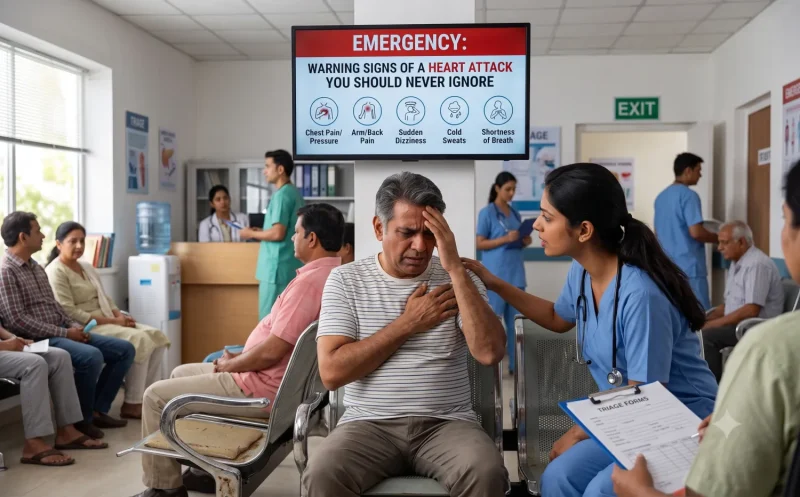
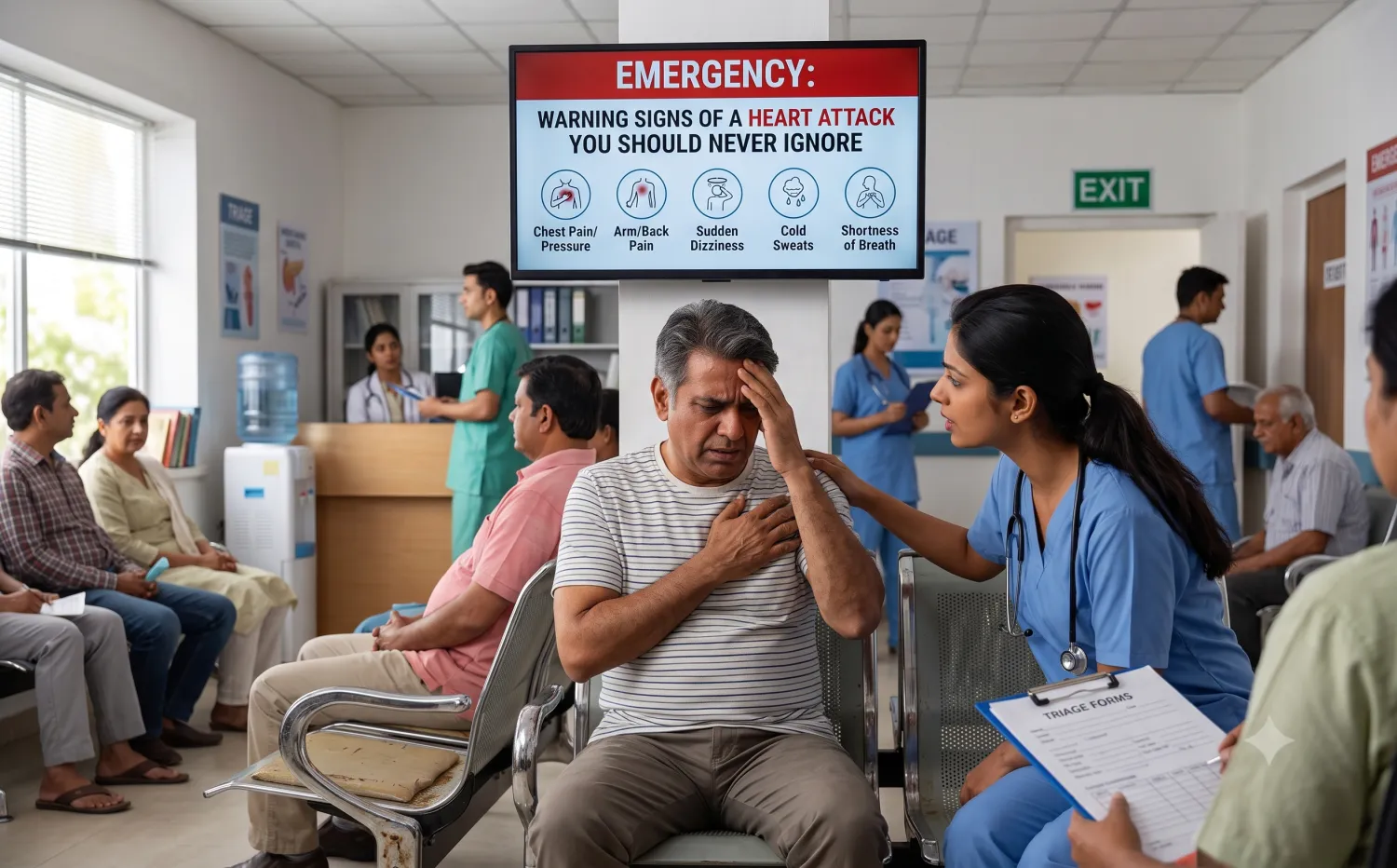
The symptoms of a heart attack can develop suddenly or gradually. Common warning signs include:
- Chest pain or discomfort
- Pressure, squeezing, fullness or tightness in the chest
- Pain spreading to the arm, shoulder, back, neck or jaw
- Shortness of breath
- Cold sweating
- Nausea or vomiting
- Dizziness or light-headedness
- Unusual or sudden tiredness
- A feeling of weakness or impending fainting
Symptoms may occur individually or in combination. Chest discomfort is common, but a heart attack does not always cause obvious or severe chest pain.
1. Chest Pain or Pressure
Chest discomfort is one of the most recognised signs of a heart attack. It may feel like pressure, squeezing, heaviness, fullness, tightness or discomfort in the centre or left side of the chest.
The discomfort may last for several minutes, go away and return, or persist continuously. It should not be dismissed simply because it is mild or intermittent, particularly when accompanied by other symptoms.
2. Pain That Spreads to Other Parts of the Body
Heart attack pain may extend beyond the chest. Some people experience discomfort in one or both arms, the shoulder, back, neck or jaw.
Unexplained upper-body discomfort, particularly when it occurs together with chest pressure, sweating, nausea or breathlessness, requires prompt medical attention.
3. Shortness of Breath
Shortness of breath can occur with or without chest discomfort. You may feel unable to take a full breath, become unusually breathless during minimal activity or experience difficulty breathing even while resting.
Because breathlessness can have many causes, it is important to consider it seriously when it develops suddenly or occurs alongside other possible heart attack symptoms.
4. Cold Sweating
Sudden, unexplained cold sweating can accompany a heart attack. It may occur even when you have not been exercising or exposed to a hot environment.
Cold sweating combined with chest discomfort, nausea, dizziness or shortness of breath should not be ignored.
5. Nausea or Vomiting
Some people experience nausea, vomiting or discomfort in the upper abdomen during a heart attack. These symptoms may sometimes be mistaken for indigestion or a stomach problem.
When nausea or vomiting occurs together with chest discomfort, breathlessness, sweating or unusual weakness, urgent medical assessment is important.
6. Dizziness, Light-headedness or Fainting
A heart attack can sometimes cause dizziness, light-headedness or fainting, particularly when the heart is unable to maintain adequate blood circulation.
Sudden unexplained dizziness or fainting accompanied by chest discomfort or breathing difficulty should be treated as a medical emergency.
7. Unusual Tiredness or Weakness
Some people experience unusual tiredness or weakness before or during a heart attack. This may be particularly important when the tiredness is sudden, unexplained or significantly different from your usual level of energy.
Women may be more likely than men to experience symptoms such as unusual fatigue, nausea, shortness of breath or back and jaw discomfort, although anyone can experience these symptoms.
Can a Heart Attack Happen Without Severe Chest Pain?
Yes. Not every heart attack causes severe or obvious chest pain. Some people experience mild discomfort, pressure or symptoms affecting other parts of the body.
A heart attack can also occur with few or no noticeable symptoms, particularly in some people with diabetes or other medical conditions. This is why sudden unexplained symptoms should not be ignored simply because there is no severe chest pain.
Heart Attack Symptoms in Women
Women can experience the classic symptoms of a heart attack, including chest discomfort. However, some women may also experience symptoms such as:
- Shortness of breath
- Unusual fatigue
- Nausea or vomiting
- Back, shoulder or jaw discomfort
- Dizziness or light-headedness
- Chest pressure or discomfort
These symptoms can sometimes be mistaken for indigestion, stress or fatigue. Any sudden or unexplained combination of symptoms should be medically evaluated.
Heart Attack Symptoms in Older Adults and People With Diabetes
Older adults and people with diabetes may sometimes experience less typical symptoms. In some cases, there may be little or no chest pain, while symptoms such as breathlessness, weakness, fatigue or dizziness may be more prominent.
People with known heart disease or significant cardiovascular risk factors should take new or unexplained symptoms seriously and seek appropriate medical care.
What Should You Do If You Suspect a Heart Attack?
Do not wait for the symptoms to become severe or try to diagnose the problem yourself. If you suspect that you or someone else may be having a heart attack, seek emergency medical assistance immediately.
- Call your local emergency medical service immediately.
- Stop physical activity and sit or rest in a comfortable position while waiting for help.
- Do not drive yourself to the hospital if emergency medical transport is available.
- Follow the instructions provided by emergency medical professionals.
- If the person becomes unresponsive and is not breathing normally, begin CPR and use an automated external defibrillator (AED) if available and appropriate.
Do not delay emergency care while waiting to see whether the symptoms disappear.
Why Is Immediate Treatment Important?
A heart attack can cause permanent damage to heart muscle. The longer the affected heart muscle remains without adequate blood flow, the greater the potential for damage and complications.
Early medical assessment allows healthcare professionals to determine whether the symptoms are caused by a heart attack and, when appropriate, begin treatment to restore blood flow and reduce complications.
Heart Attack Risk Factors
Several factors can increase the risk of coronary artery disease and heart attack. These include:
- High blood pressure
- High cholesterol
- Diabetes
- Smoking or tobacco use
- Obesity or excess body weight
- Physical inactivity
- Family history of heart disease
- Increasing age
- Previous heart disease or cardiovascular disease
Having one or more risk factors does not mean that a heart attack will definitely occur, but managing cardiovascular risk factors can form an important part of heart health.
How Can Heart Attack Risk Be Reduced?
Regular cardiovascular health checks and management of risk factors can help reduce the risk of coronary artery disease. Depending on your individual health profile, your doctor may recommend:
- Monitoring and controlling blood pressure
- Managing cholesterol levels
- Keeping diabetes under appropriate control
- Stopping tobacco use
- Maintaining a healthy body weight
- Following a heart-healthy diet
- Engaging in appropriate regular physical activity
- Taking prescribed medications as directed
- Attending recommended health and cardiac check-ups
When Should You Consult a Cardiologist?
If you have recurring chest discomfort, unexplained breathlessness, palpitations, dizziness, reduced exercise tolerance or other symptoms that concern you, consult a cardiologist for an appropriate evaluation.
People with risk factors such as diabetes, high blood pressure, high cholesterol, smoking history or a family history of heart disease may also benefit from discussing their cardiovascular risk with a healthcare professional.
Cardiology Care at DHEE Hospitals
DHEE Hospitals Cardiology provides evaluation and management of a range of cardiovascular conditions. A timely cardiac assessment can help identify risk factors, investigate concerning symptoms and determine appropriate treatment.
However, if you are currently experiencing symptoms that could indicate a heart attack, do not wait for a routine cardiology appointment. Seek emergency medical care immediately.
Frequently Asked Questions About Heart Attack Warning Signs
What is the most common warning sign of a heart attack?
Chest discomfort, including pressure, squeezing, heaviness or tightness, is one of the most common heart attack symptoms. However, symptoms can vary considerably between individuals.
Can a heart attack feel like indigestion?
Yes. Some people may experience symptoms resembling indigestion, nausea or upper abdominal discomfort. It can be difficult to distinguish these symptoms from a digestive problem without medical evaluation, particularly when other warning signs are present.
Can a heart attack happen without chest pain?
Yes. Some heart attacks cause little or no noticeable chest pain. Breathlessness, unusual fatigue, nausea, dizziness or discomfort in the back, shoulder, arm or jaw can sometimes occur instead.
How long can heart attack symptoms last?
Symptoms can vary in duration. They may persist, come and go, or gradually become more noticeable. Do not wait for symptoms to reach a particular duration before seeking emergency medical care.
When should I seek emergency care for chest pain?
Seek emergency medical help immediately for new or unexplained chest pressure, squeezing or discomfort, especially when accompanied by shortness of breath, sweating, nausea, dizziness or pain spreading to the arm, back, neck or jaw.